
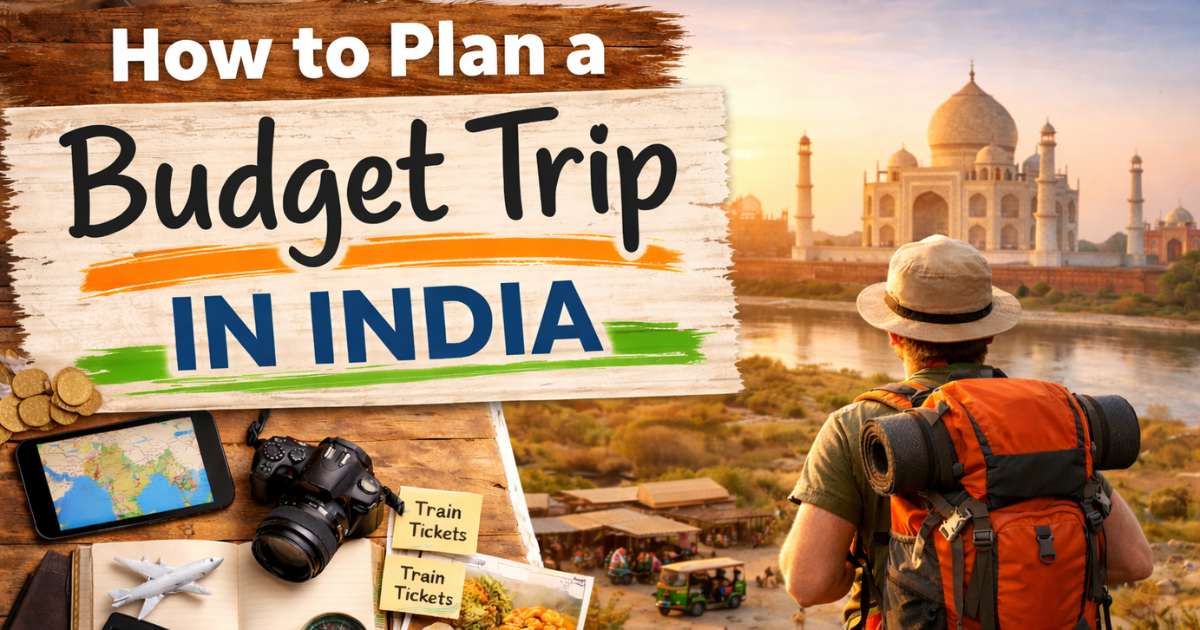
Traveling across India doesn’t have to be expensive. In fact, with the right strategy, you can explore mountains, beaches, cities, and cultural landmarks without burning your wallet. If you’re wondering how to plan a budget trip in India, the good news is that it’s completely achievable – even for first-time travelers.
India is one of the most budget-friendly destinations in the world. From affordable transportation to low-cost food and accommodation, every part of your journey can be optimized to save money. The key lies in planning smartly, making informed choices, and knowing where to cut costs without sacrificing experience.
This guide breaks down everything step by step so you can travel comfortably while keeping your expenses under control.
Step 1: Decide Your Budget First
Before anything else, you need to define how much you’re willing to spend. This is the foundation of how to plan a budget trip in India.
Start by dividing your total budget into key categories:
- Transport
- Accommodation
- Food
- Activities
For example, a basic budget trip in India can range from ₹800 to ₹2500 per day depending on your travel style. Backpackers can go even lower, while mid-range travelers may spend slightly more.
Setting a budget helps you avoid overspending and keeps your trip realistic and stress-free.
Step 2: Choose Budget-Friendly Destinations
Not all destinations in India cost the same. Some places are naturally cheaper than others. If you truly want to master how to plan a budget trip in India, pick locations where your money stretches further.
Affordable destinations include:
- Rishikesh
- Kasol
- Varanasi
- Hampi
- McLeod Ganj
- etc…
These places offer low-cost stays, cheap food, and free or low-cost attractions. Avoid expensive cities like Mumbai or Goa during peak season if you’re on a tight budget.
Also Read:Best Budget Summer Trips in India Under ₹10000
Also Read:Top Coolest Places in India to Escape Summer Heat
Step 3: Travel During Off-Season
Timing plays a huge role in saving money. One of the smartest tricks in how to plan a budget trip in India is traveling during the off-season.
During peak seasons, prices for hotels, flights, and activities is very high. But in the off-season:
- Hotel prices drop by 30-50%.
- Flights and trains are cheaper.
- Tourist spots are less crowded.
For example, hill stations are cheaper during monsoon, and beaches are more affordable outside holiday periods.
Step 4: Use Cheap Transportation
Transportation can eat up a large portion of your budget if not planned carefully.
Best budget travel options:
- Trains (Sleeper Class / 3AC) – Cheapest long-distance option.
- Buses (State transport) – Affordable and widely available.
- Local transport – Auto, metro, or shared cabs.
Booking train tickets early through IRCTC can save you a lot. Apps like RedBus and MakeMyTrip also offer discounts.
Understanding transport is crucial when learning how to plan a budget trip in India efficiently.
Also Read:9 Offbeat Places to Visit in India in Summer (Crowd-Free)
Also Read:7 Must Visit Adventure and Nature Spots in India This April
Step 5: Choose Budget Accommodation
Accommodation doesn’t need to be expensive. India offers plenty of affordable options:
- Hostels (₹300-₹800 per night).
- Budget hotels (₹800-₹2000 per night).
- Guesthouses and homestays.
Platforms like Hostelworld, Booking.com, and Airbnb help you find deals easily. Staying slightly outside tourist hotspots can also reduce costs significantly.
Step 6: Eat Like a Local
Food is one area where you can save a lot without missing out on quality.
Street food and local restaurants offer delicious meals at very low prices:
- Street food: ₹50-₹150
- Local meals: ₹100-₹300
Avoid expensive cafes and tourist restaurants, eating local food in local hotel. When you eat local food, you don’t just save money – you actually experience the true taste and culture of that place. It gives you an authentic food experience while also keeping your expenses low.
Also Read:6 Hidden Europe-Like Summer Destinations in India
Also Read:7 Hill Stations Near Delhi You Must Visit Within 100 Km
Step 7: Plan Free & Low-Cost Activities
You don’t need expensive tours to enjoy India. Many experiences are free or very cheap.
Budget-friendly activities:
- Visiting temples and historical sites.
- Nature walks and trekking.
- Exploring local markets.
- Beach visits.
Entry fees for most attractions range between ₹20-₹500, making sightseeing very affordable.
Step 8: Track Your Daily Expenses
Keeping track of your spending helps you stay within budget. Use apps like:
- Google Sheets
- TravelSpend
- Wallet
Tracking expenses is a small habit but plays a big role.
Also Read:Best Summer Camping Spots in India for Beginners
Also Read:2-Day Summer Getaway Ideas Near Kolkata
Step 9: Pack Smart to Avoid Extra Costs
Overpacking or underpacking can lead to unnecessary expenses.
Essentials to carry:
- Reusable water bottle.
- Basic medicines.
- Power bank.
- Comfortable clothes.
Avoid buying things at tourist locations where prices are inflated.
Step 10: Use Travel Deals & Discounts
When you’re planning your trip, take some time to explore multiple travel websites. Compare prices and read reviews carefully, then choose the option that offers the best value and positive feedback. Booking through a reliable platform can help you save money and ensure a smoother travel experience.
Platforms to check:
- MakeMyTrip
- Goibibo
- IRCTC
- Skyscanner
Credit card offers, coupon codes, and cashback deals can save you a significant amount.
Approximate Budget Breakdown (Per Day in INR)
| Category | Budget Range |
|---|---|
| Accommodation | ₹300-₹2000 |
| Food | ₹300-₹700 |
| Transport | ₹200-₹800 |
| Activities | ₹200-₹500 |
Total Daily Budget: ₹1000-₹3000
Pro Tips for Budget Travel in India
- Travel light to avoid extra baggage costs.
- Book in advance for better deals.
- Avoid peak tourist seasons.
- Use public transport whenever possible.
- Stay flexible with your plans.
Frequently Asked Questions (FAQ):
1. What is the minimum budget for traveling in India?
You can travel on a budget of ₹700-₹1500 per day.
2. Is India good for budget travel?
Yes, India is one of the cheapest travel destinations globally.
3. What is the cheapest way to travel in India?
Trains and local buses are the most affordable options.
4. How can I save money on accommodation?
Stay in hostels, guesthouses, or budget hotels.
5. Is street food safe in India?
Yes, if you choose clean and popular vendors.
6. When is the cheapest time to travel in India?
During the off-season or monsoon months.
7. Can I travel India with ₹10000?
Yes, for a short 4-7 day trip with careful planning.
8. Do I need a travel plan for budget trips?
Yes, planning helps reduce unnecessary expenses.
Hope you liked this article on how to plan a budget trip in India. Do share your views with me within the comments section below. If this article was helpful, do share this post with your friends on Facebook and Twitter. It would mean a lot.

Hey there! I’m Santu Chakraborty and I’m not your typical traveler. By day, I wrangle circuits and solve electrical mysteries as an engineer, but my true passion lies in exploring the world and sharing those experiences with you. For the past five years, this blog has been my canvas, where I paint stories of adventure, practical travel tips, and cultural insights to ignite your wanderlust. So, come join me on my journeys and discover the magic that awaits just beyond the horizon!